What is a shared-use solar lease?
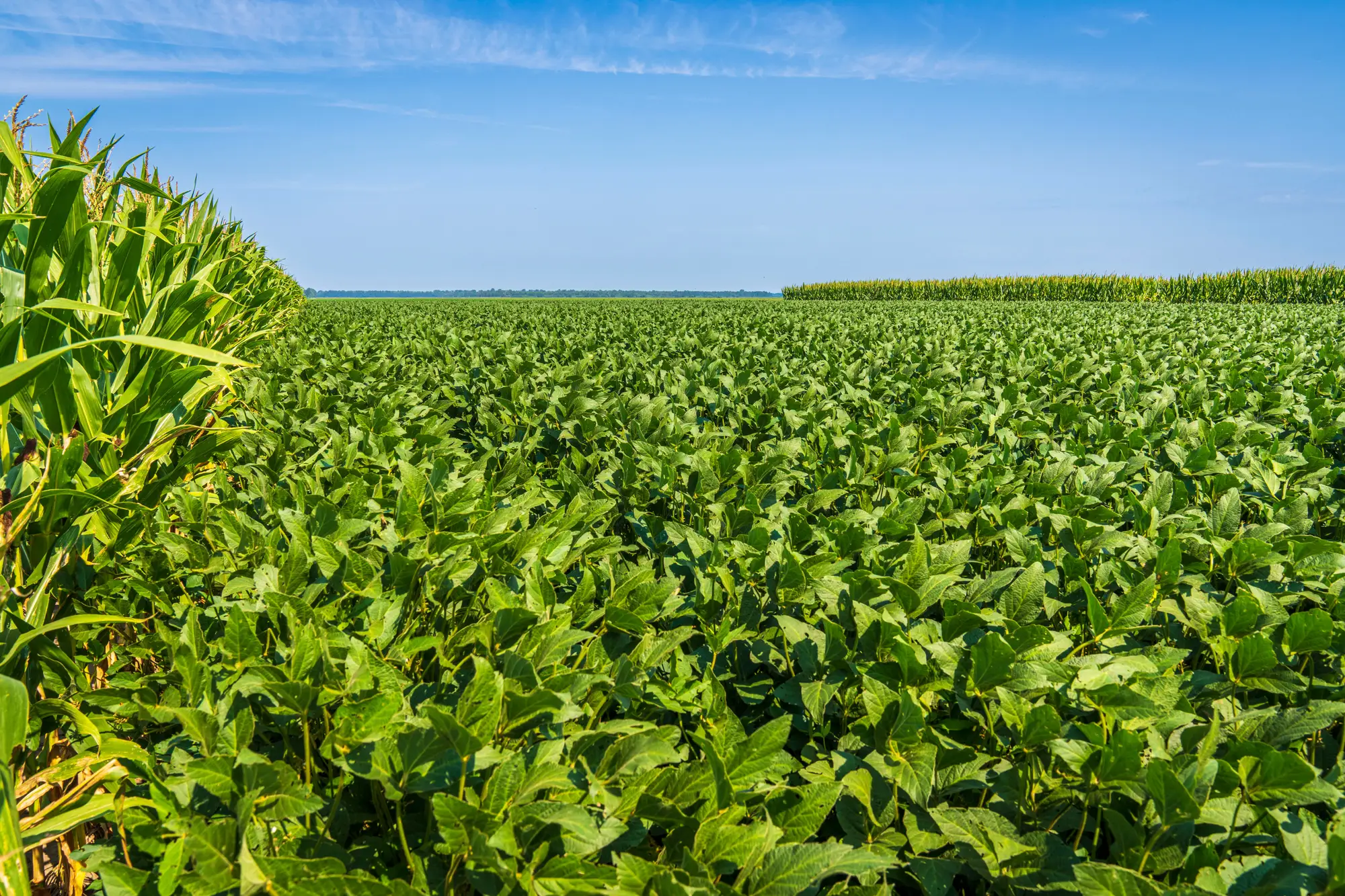
A standard ground lease takes a field out of production for the term. The developer pays rent, fences the site, and the landowner's row crop income on that acreage goes to zero, aside from maybe a sheep grazing clause under the racking. A shared-use lease, sometimes called a dual-use lease or an agrivoltaics lease, is built around the opposite assumption: that the field keeps producing crops or forage while the array sits on it. The lease terms have to say how.
That difference sounds small on paper. It's the whole negotiation.
How a shared-use lease differs from a standard ground lease
A standard ground lease is mostly about two numbers: rent per acre and term length. A shared-use lease carries those same two numbers plus a second income stream and a set of operating rules that a traditional lease never has to touch.
On payment, you'll typically see one of two structures. Either the landowner takes a lower base rent in exchange for keeping crop or grazing income on the same acres, or the developer and landowner split revenue from both the power purchase agreement and whatever the field produces. Either way, the lease has to define what counts as "the field's income" and who bears the risk if a crop fails for reasons that have nothing to do with the panels.
On operations, a standard lease gives the developer exclusive control of the fenced area for 25 to 30 years. A shared-use lease has to spell out who has access when, because a farmer with a planter or a sprayer boom needs the row spacing, turning radius and ground clearance to get equipment through the rows without clipping a torque tube.
What the lease terms spell out
Most shared-use leases cover some version of the following, and a developer or co-op negotiating one should expect to see all of it in writing rather than handled as a side understanding:
- Panel height and interrow spacing. Set to the equipment the parcel runs, not a generic clearance number. A combine header clears differently than a sprayer boom.
- Crop rights and rotation. Whether the farmer can rotate crops year to year or is locked into whatever species the array was designed around.
- Access windows. When the farmer can be in the field for planting, spraying and harvest without needing developer sign-off each time.
- Vegetation management under the panels. Who mows or grazes the strip the equipment can't reach, and who pays for it.
- Liability and damage. What happens if equipment contacts a panel or racking, and who insures against it.
- Yield shortfall language. Whether a documented yield drop tied to shading or soil compaction triggers any rent adjustment.
- Decommissioning. Soil restoration obligations at end of term, which matter more here than on a standard lease because the land is expected to keep farming the whole time.
None of this is standard boilerplate a landowner's attorney has seen a hundred times. It's closer to a joint operating agreement than a rent check, and both sides are usually negotiating it parcel by parcel because crop type, soil and parcel geometry change what the numbers above should be.
That parcel-by-parcel part is where most of these deals stall before they ever get to the lease table. A developer pulls up a GIS layer, a co-op's partnerships officer pulls up yield maps from the last three seasons, and the two sides are arguing from different pictures of the same ground before anyone has written a term sheet. Agrisolar Siting exists to put both sides on one candidate parcel map, built from crop type, parcel boundaries and yield history, so the lease conversation starts from which fields can actually carry a dual-use array instead of from two spreadsheets that don't agree.
If you're heading into one of these negotiations, it's worth seeing which of your fields would hold up to that conversation before the term sheet gets drafted.