Blog
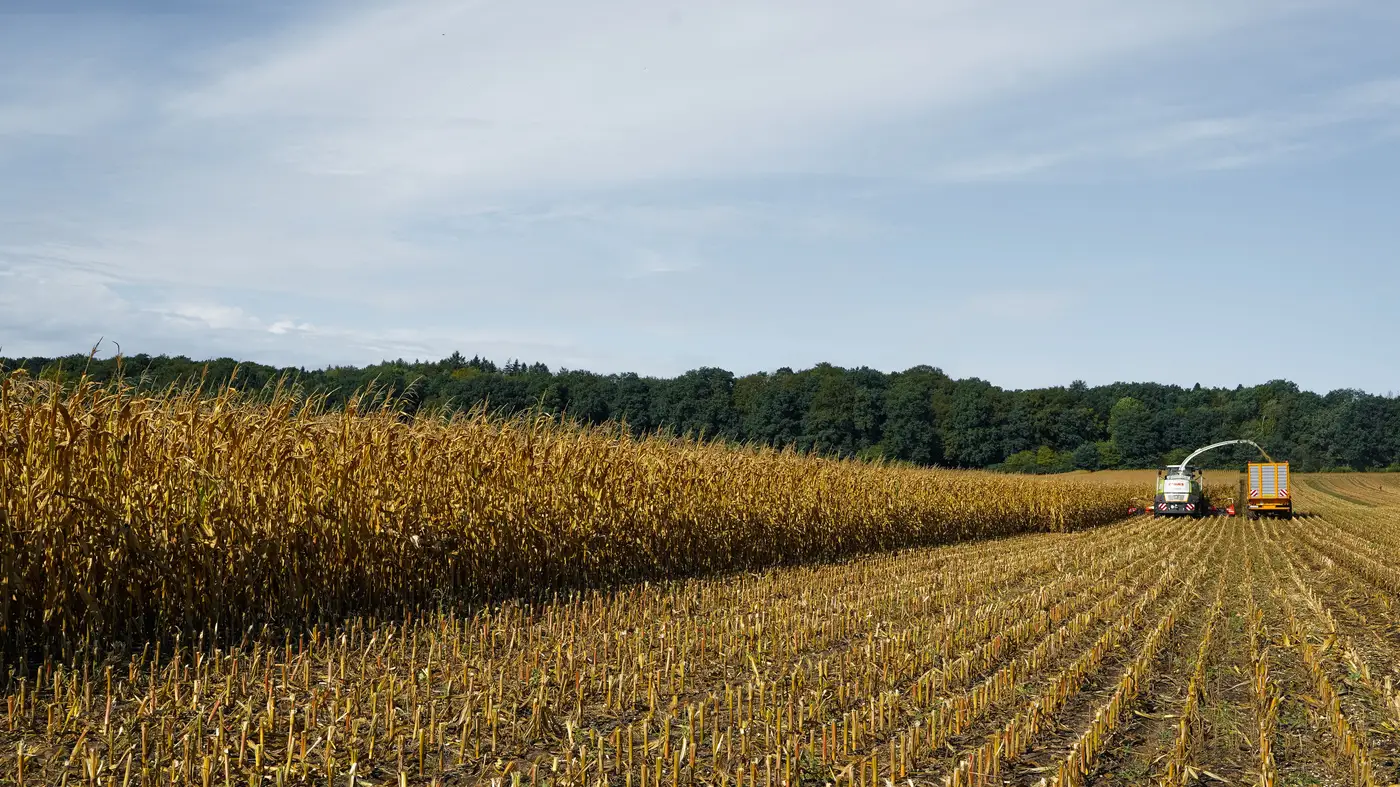 Field notes: the lease meeting where the parcel map and the combine driver disagreed
A lease meeting stalls when the county parcel map and the man who's combined the field for twenty years tell two different stories about the same ground.
 How to screen for parcel contiguity when assembling an agrivoltaics footprint
A practical screening order for checking parcel contiguity before you build a dual-use solar lease stack, from county GIS to crop continuity.
- Parcel records vs. satellite field boundaries: a pre-shortlist check
Why county parcel lines and the cropped footprint rarely match, and how to reconcile them before you shortlist farmland for a dual-use array.
 What a CRP contract means for a solar lease on that parcel
CRP contracts restrict what a farmer can do with enrolled acreage. Here's why that matters before a developer pencils in a solar lease.
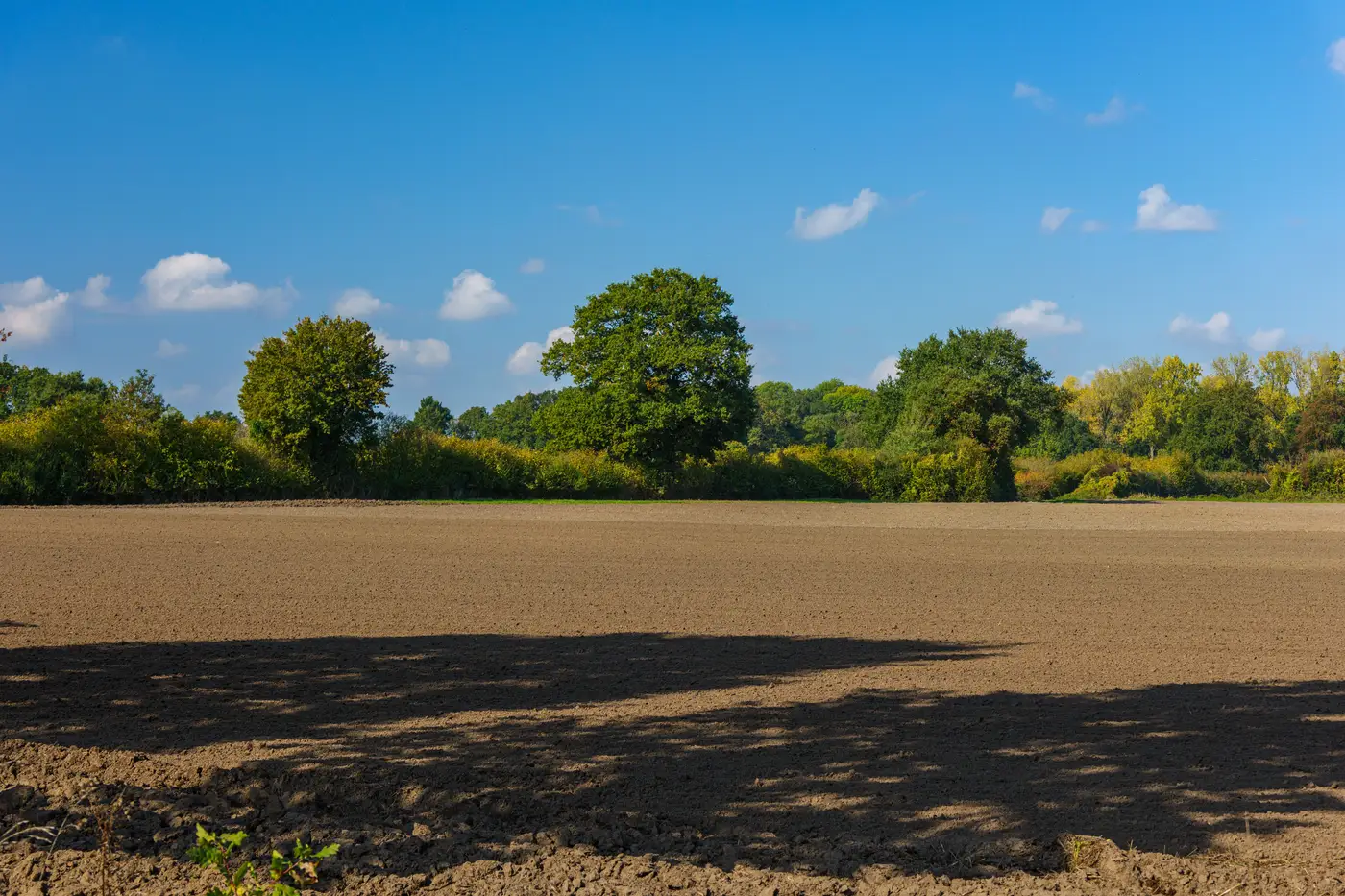 The corner that never yielded
Every farm has a dead corner the combine driver curses every fall. It turns out that corner is often the best place to start an agrivoltaics conversation.
- How many years of yield data before a parcel pencils for agrivoltaics?
A look at how much yield history really tells you about a parcel's fit for a dual-use solar lease, and when a thin record should slow a deal down.
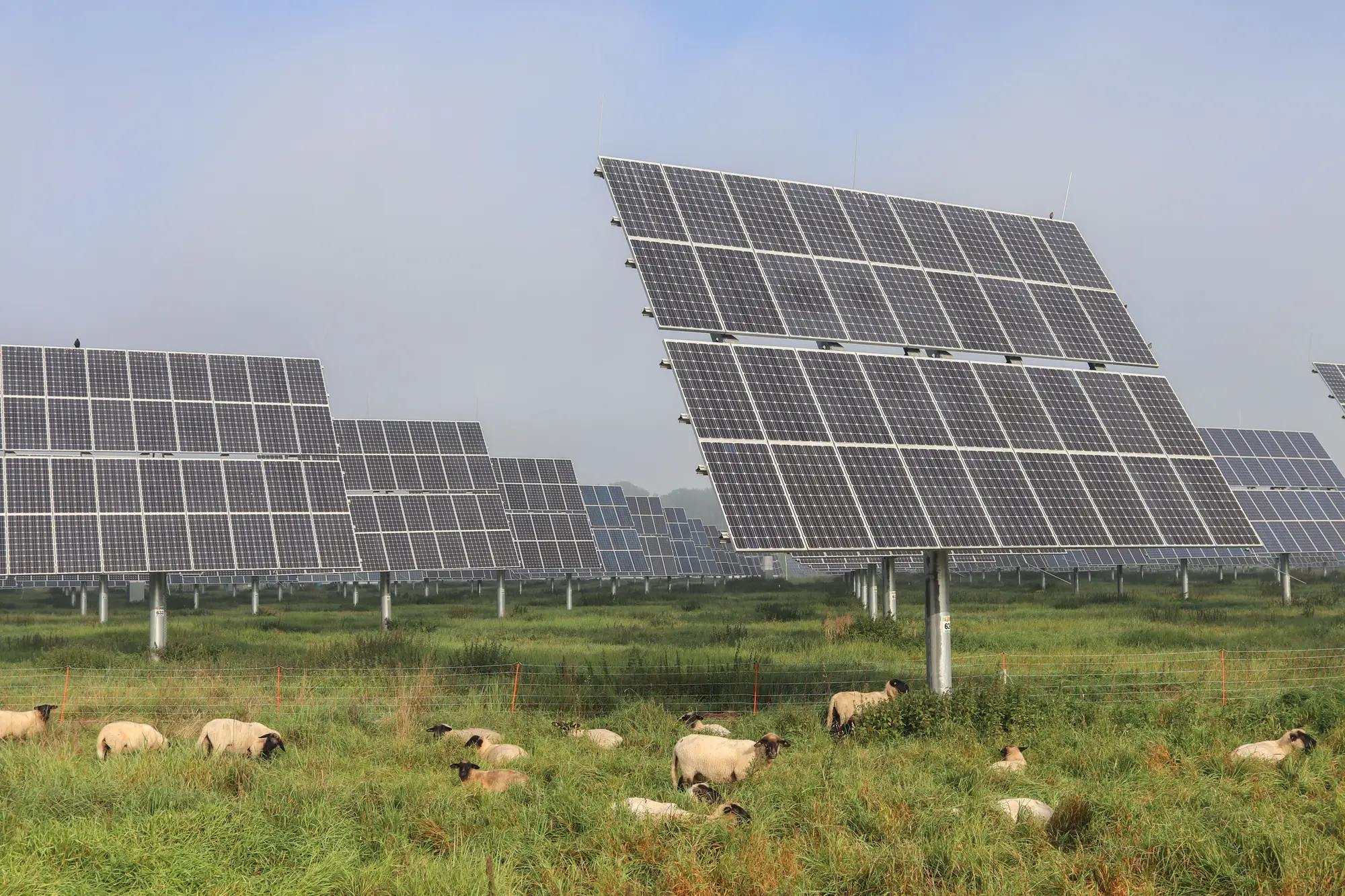 Fixed-tilt vs single-axis tracking: which one works for agrivoltaics
Racking choice for dual-use parcels comes down to clearance height and crop, not output. How fixed-tilt and tracker systems compare on a working farm.
- What is a decommissioning bond, and why does a farmland solar lease need one?
What a decommissioning bond covers in a farmland solar lease, how the amount gets set, and what landowners should ask before signing.
- Sheep grazing vs row-crop agrivoltaics: how site requirements differ
Grazing and row-crop agrivoltaics put different demands on a parcel. Here's how clearance, soil, and access requirements split the two.
- Why co-op boards split on an agrivoltaics vote
A field-notes look at why ag co-op boards split on agrivoltaics votes, and why the real fight is over which fields get named.
- Grazing agrivoltaics vs row-crop agrivoltaics: how to tell them apart on a parcel screen
How to read crop type and parcel shape to sort grazing-compatible fields from row-crop fields before a site visit ever gets scheduled.
- What is a shared-use solar lease?
A shared-use solar lease lets panels and crops split the same acres. Here's how its terms differ from a standard ground lease.
- Sizing row spacing to combine header width in an agrivoltaic array
How to set panel row spacing against combine header width and turning radius so the array doesn't clip equipment at harvest.
- What counts as prime farmland under USDA land capability classification
A plain explanation of USDA land capability classes, what "prime farmland" actually means, and why it matters for agrivoltaic siting.
- Where to find crop yield history data by parcel
A field guide to where parcel-level crop yield history lives, from combine monitors to crop insurance units, and why the boundaries rarely match.
- How to read a soil survey for solar leasing
A field guide to reading NRCS soil survey data for agrivoltaic leasing: map units, capability class, drainage, and what matters for siting.
- Land equivalent ratio explained: what LER measures in agrivoltaics
A plain explanation of land equivalent ratio (LER) in agrivoltaics: what the number means, how it's built, and why it's not a siting tool by itself.
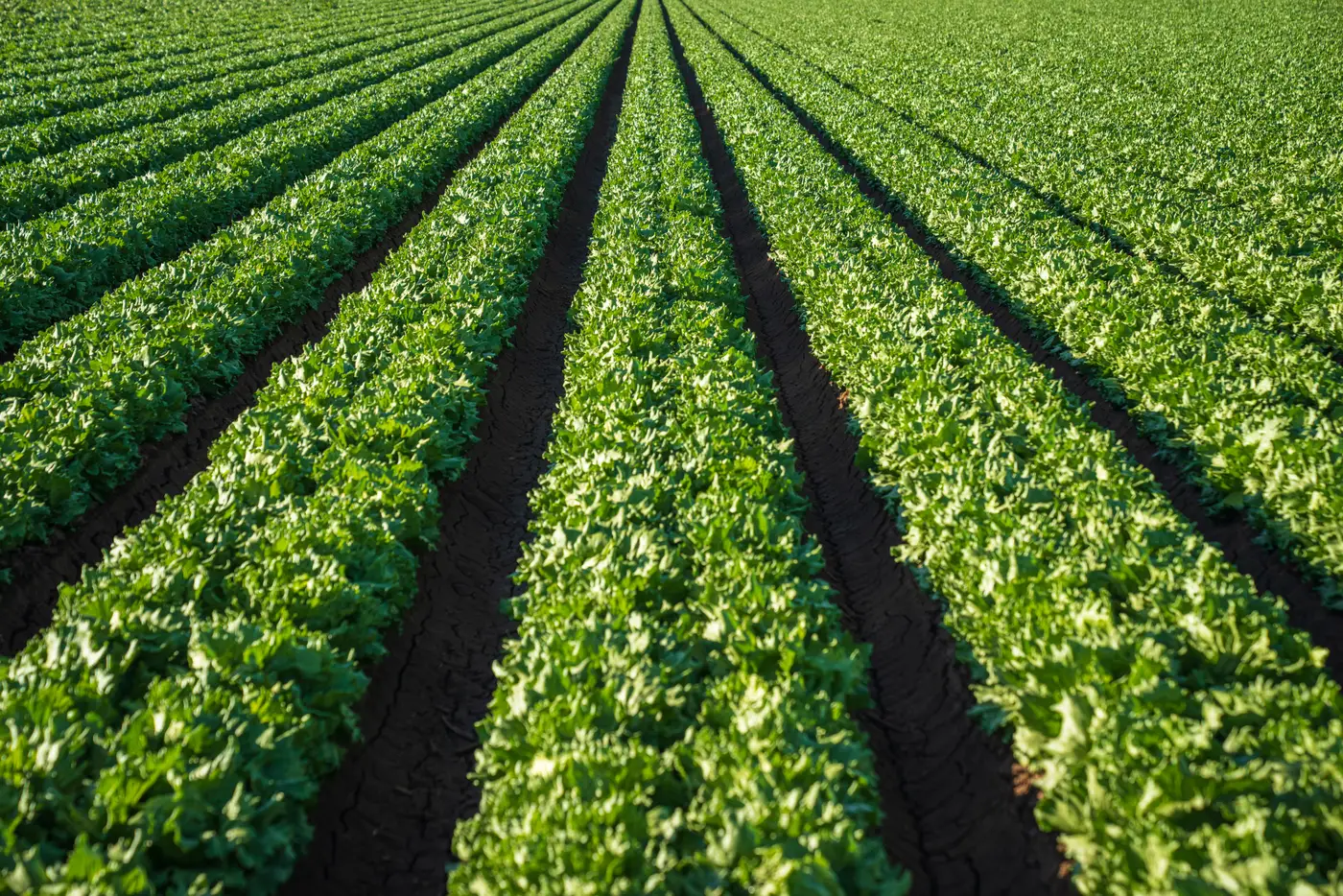 Shade-tolerant crops under solar panels: a siting guide
Leafy greens, berries, and forage tolerate the light under a solar array. Corn, soybeans, and wheat don't.