Why co-op boards split on an agrivoltaics vote
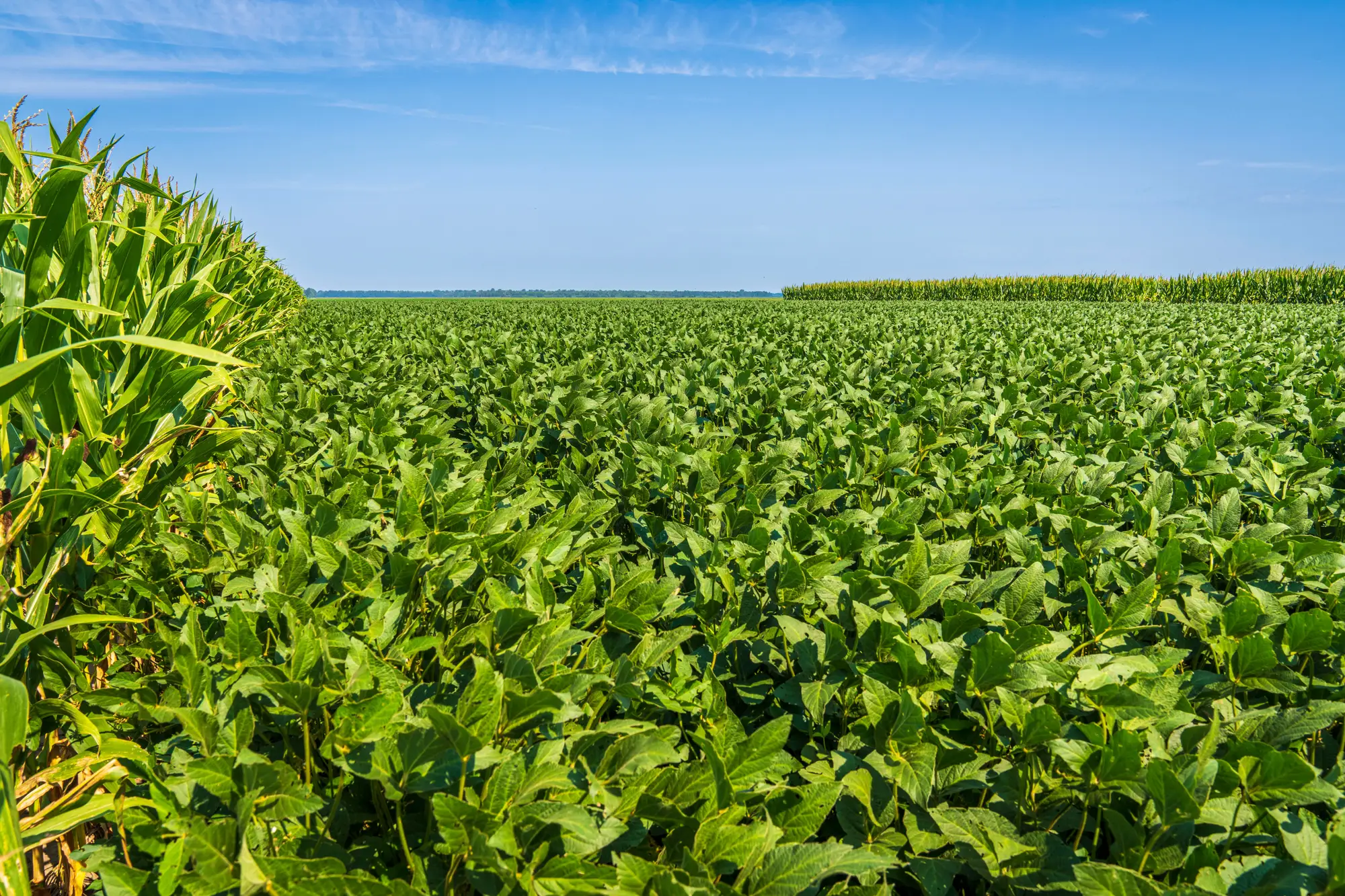
Every board I've watched take up an agrivoltaics proposal hits the same moment. Somewhere around the second meeting, after the developer's slide deck and before the vote gets tabled "pending more information," one director says a version of the same sentence: "That's good ground. Why would we put panels on it."
That's the split. Not solar versus no solar. Good ground versus the rest of the parcel list.
Boards don't usually disagree about agrivoltaics as a concept. Most directors I've talked to, including the ones who end up voting no, think dual-use is a reasonable idea in theory. Lease income that doesn't depend on a crop year, a hedge against a bad commodity stretch, grazing sheep under racking instead of mowing. None of that is controversial at the table. What breaks the room is the parcel list the developer brings, because that list is usually built off what's available and interconnectable, not off what the co-op's own members would call marginal.
I've sat in on enough of these to notice the pattern. The director who farms row crops looks at a proposed site and sees tile drainage he installed himself, three good yield years, and black dirt that's been in his family's rotation since before the co-op existed. The director who runs the grain elevator side of the business looks at the same parcel and sees acreage that's been a headache to contract with for the last two seasons and wouldn't mind seeing it generate revenue a different way. The argument is really about whether that specific quarter-section is "good ground," and they're doing it from memory, from whoever drove past it last, from a yield map somebody printed out three years ago and nobody's updated since.
That's the part that turns a disagreement into a split vote instead of a conversation. Nobody at the table has the same baseline. One director is working off this year's combine yield monitor data because it's his field. Another is going off a general sense of "that bottomland always floods in spring" that may or may not still be true. A third hasn't been out to the parcel in two years and is voting on the developer's framing of it, which, understandably, leans toward "underutilized."
Boards that get through this cleanly tend to do one thing the ones that split don't: they settle the "which fields" question before they touch the "should we" question. They pull yield history, soil type, and parcel boundaries for every candidate acre on the list, look at it together, and argue about the data instead of arguing about whose memory of the field is more current. It doesn't eliminate disagreement, directors still have different risk tolerances and different relationships with the land. But it moves the argument to one that can actually be resolved instead of one that just gets tabled again.
The co-ops I've seen handle this best treat the parcel question as homework to do before the vote, not a debate to have during it. That's the gap Agrisolar Siting is built to close: a candidate parcel map built from crop type, parcel geometry, and yield history, so the board and the developer are arguing from the same field data instead of two different memories of the same quarter-section.
If your board's next agrivoltaics item is still a disagreement about which fields qualify, that's worth settling before the vote, not during it.